Ingredients
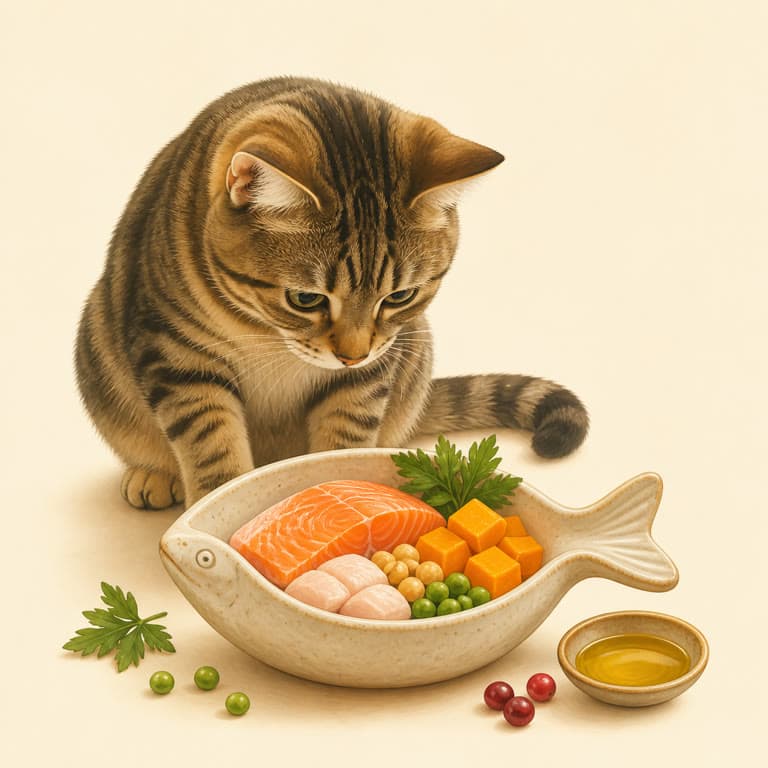
Ingestion and product exposure
Allium plants: onions, garlic, chives and leeks
Identify Allium ingredients in raw food, cooked dishes and powders, then check the evidence and exposure details.
Kitchen foods: feline exposure risks and evidence limits
Compare product forms and the limits of the evidence instead of treating every kitchen ingredient as the same exposure.
Essential oils and citrus extracts: concentration and exposure
Keep concentrated oils, skin contact, ingestion, diffusers and food flavoring separate when reviewing an exposure.
Formula and label reading
Phosphates and kidney diets: compare the right data
Check total phosphorus, moisture, calories and measurement basis before judging a diet by one phosphate name.
Additives, contamination and packaging: three different checks
Separate approved uses, illegal contamination and food-contact materials instead of treating every chemical name alike.
Thickeners, colors and flavors: uses and evidence limits
Distinguish named ingredients, function categories, research materials and regional rules when reading labels.
Grains and protein ingredients: what labels can tell you
Compare complete diets, nutritional data, quality control and individual needs rather than rating one ingredient name.
Salt, sugars, minerals and supplements: review the whole diet
Separate nutrients in a complete diet from extra supplements; a single label claim cannot determine nutritional suitability.
Prepared from the cited sources; not reviewed by a veterinarian. Scope and limitations are stated in each section. This is not an individual product safety assessment or diagnosis.